

Why And How Governments Use Capital Projects Funds And Debt Service Fund?
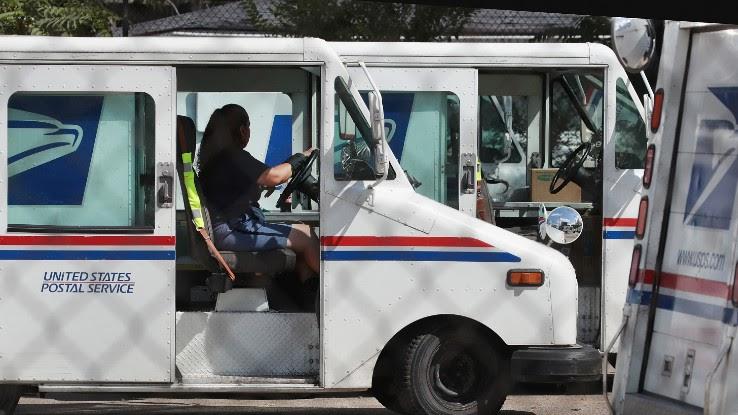
The United States Postal Service (USPS) can trace itself back to the American Revolution and Benjamin Franklin, who was even one of two postmasters general before the states carve up from the British crown. In all that fourth dimension until the early 1970s, the service broke even each year, paying salaries, pensions and more.
The Nifty Recession of 2008 saw a downturn in revenue for corporations and government institutes – fifty-fifty self-funded ones – alike, and the USPS was hit particularly difficult. Many companies were already transitioning from physical mail to the internet for business letters, notifications and advertisements, simply the recession sped upwardly that trend. However, that's not the just gene behind the organization's electric current troubles.
How the USPS Got Into This Position
While there are many factors that led to the USPS' current land of debt, in that location are two main reasons why that debt has now balloomed. In 2006, the Postal Accountability and Enhancement Human activity (PAEA) ordered the USPS to pre-fund employee retiree health benefits for the adjacent 75 years. While pre-funding other retiree benefits is normal for both private and government organizations, pre-funding health benefits is virtually unheard of. This resulted in an boosted expense of around $5.6 billion dollars annually until 2016, with the USPS defaulting on its pre-funding obligations in 2012.
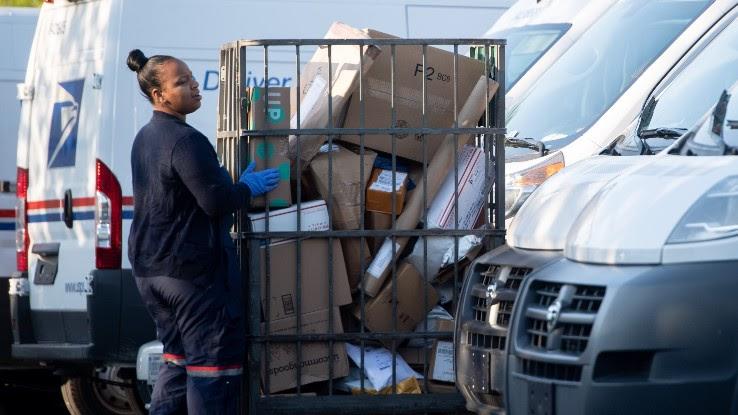
Since the USPS was breaking even at best, requiring such a large lump sum upwardly front placed a huge strain on the service merely every bit the 2008 recession reached its height and electronic mail began to significantly supplant conventional letters. Pre-funding prevented the agency from investing in uppercase projects, research and development, or other initiatives to meliorate the post office'due south finances and logistics even earlier the recession. Later, the USPS had no selection but to take on even more debt.
The other main reason is that Congress passed a 2nd law in 2006 preventing the USPS from raising rates on regular mail service by more than the growth of the Consumer Price Index (CPI). While information technology was nifty news for people who apply the post office, it endangered the system's power to raise money. That'south because no matter how much the costs of delivery rise – think gas prices, wage increases, leases for cargo flights, health insurance for workers and more – the agency can no longer enhance rates to lucifer its expenses, fifty-fifty past a few extra cents.
What Would Happen If At that place Was No U.Due south. Postal Service in America?
If the USA lost its postal service, information technology would bear on the economy and general lifestyle of Americans beyond the lath. The USPS is the 2d-largest employer in the Us after Wal-Mart. Nearly one-half a million people would lose their jobs if the USPS went under. Even privatizing it would likely atomic number 82 to mass layoffs.
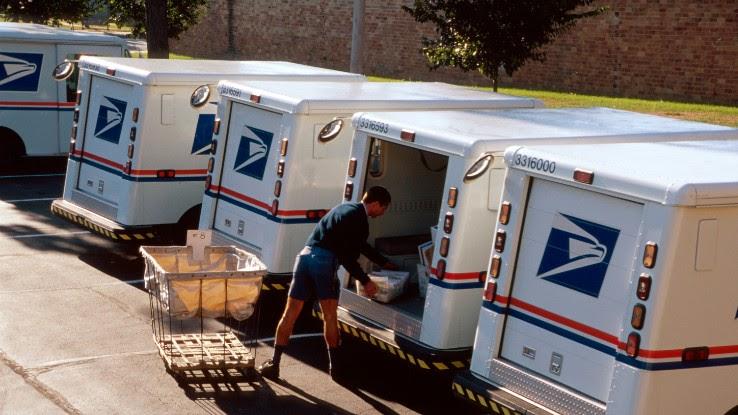
Additionally, mail delivery costs would skyrocket for rural customers. Private delivery services, like UPS and Amazon, rely on the USPS delivery network to ship packages to rural locations that are harder — and more than expensive — to reach. Without the USPS, private carriers would become even more than expensive. This would be particularly challenging for folks who are older or take disabilities. Medications are often delivered through the USPS, so people in rural areas could find themselves unable to afford essential medications.
Government agencies would also endure from increased delivery costs, which would ascension for things similar Social Security payments, voter information, census information, jury duty notifications and more than. Because post offices often provide other federal services, such equally voter registration and passport applications, other government agencies would need to open new locations, such as DMVs or local government offices. That would in turn pb to longer wait times at those locations.
How the USPS Can Go Out of This Mess
There are several things that could assist go the USPS out of the mess. Some actions can be taken by U.S. citizens, while other changes are things that Congress and other government leaders must brand. Funding — non more loans — is the most obvious thing lawmakers could provide, but at that place are policy changes that could too help. Allowing the USPS to diversify the investments information technology uses to pay for pensions, desynchronize its prices from the CPI, shortening its delivery calendar week to Monday through Friday, forgiving its U.Southward. Treasury debt and more could all put the USPS on a course for long term financial stability.
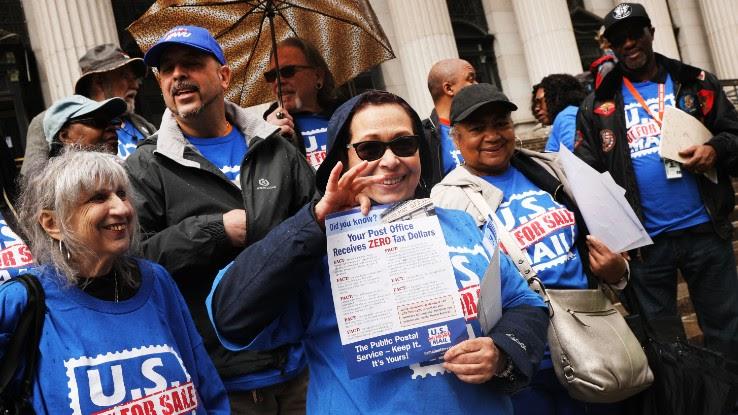
The steps that ordinary Americans can have to save the USPS may seem small-scale by comparison, but they can as well prompt activeness from lawmakers. In that location are multiple petitions you can sign aimed at Congress and the White House, and y'all tin can e'er call or write a alphabetic character to your representative. By putting pressure on legislators, Congressional gridlock on what to do about the USPS tin can be concluded.

Why And How Governments Use Capital Projects Funds And Debt Service Fund?,
Source: https://www.reference.com/business-finance/us-postal-service-in-debt?utm_content=params%3Ao%3D740005%26ad%3DdirN%26qo%3DserpIndex
Posted by: glenncaushre.blogspot.com
0 Response to "Why And How Governments Use Capital Projects Funds And Debt Service Fund?"
Post a Comment